
How SEO Drives High-Intent Traffic for Affiliate Marketing
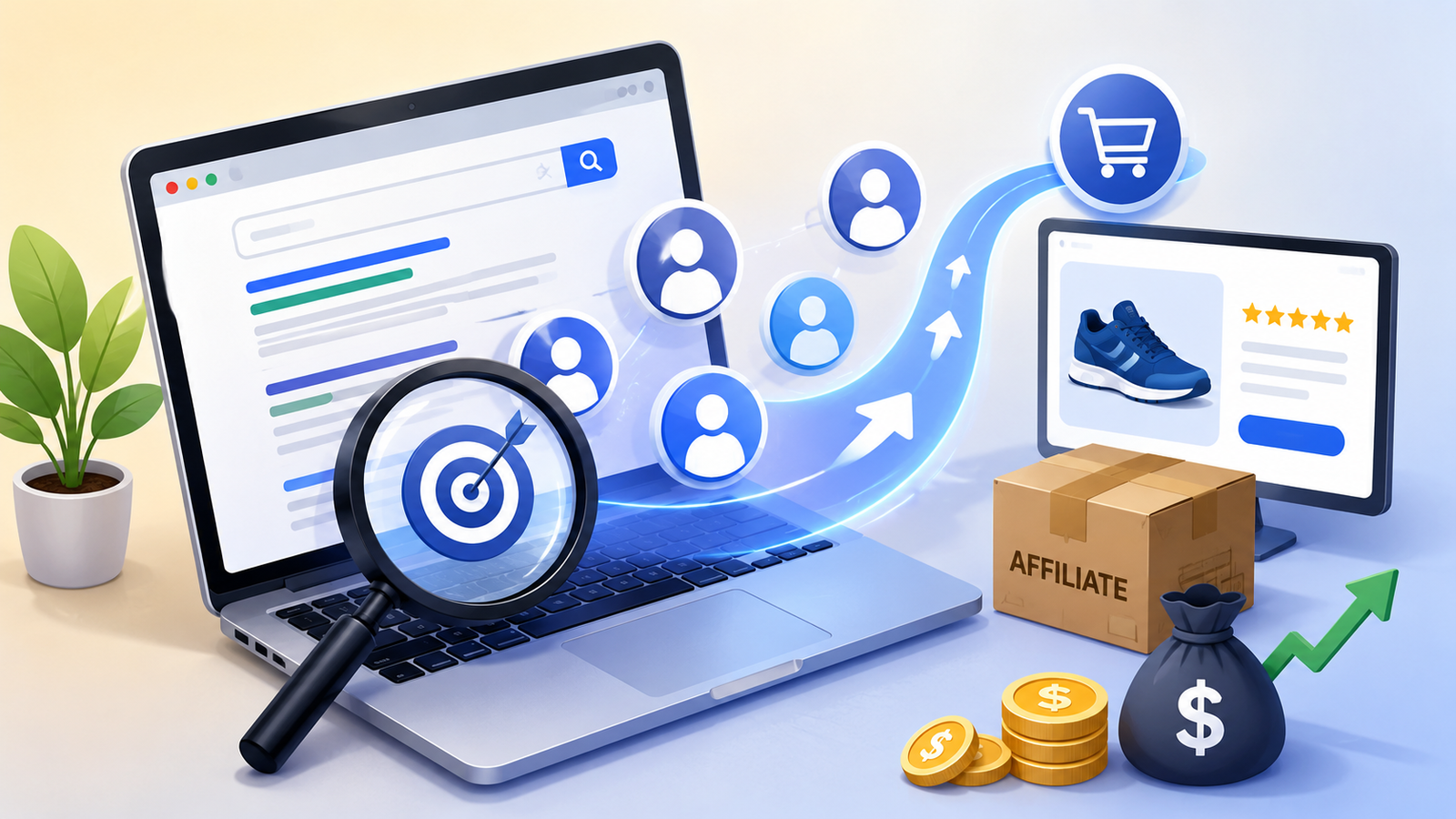
Most people think of SEO as a game of “how many visitors can I get?”
But in affiliate marketing, raw traffic is a vanity metric. If you’re attracting a million people who are simply “browsing,” then you’re essentially running a library, not a business.
The true magic of SEO lies in its ability to act as a high-precision matchmaker that matches your affiliate offer with people who already have their wallets out.
Unlike a social media, where you’re interrupting someone’s lunch or their scroll through cat videos, search engine catches people in the middle of the mission.
When someone types a query into your search bar, they are not just looking for content, but they are finding a solution.
The Anatomy of “Buyer Intent”
SEO allows you to target specific stage of customer journey.
In the world of affiliate revenue, we focus on three “high-intent” queries that brings the most conversions:
- The “Best” Queries – The user knows they have a problem and they know the category of the solution. They are looking for a curated list of winners.
- The “Versus” Queries – The user has narrowed their choice to two options. They are standing at the finish line, and waiting for someone to give them the final nudge.
- The “Review” Queries – The user is doing their final due diligence. They want to understand the “cons” before they commit to the “pros” being offered.
By optimizing for these terms, you are not just getting “traffic”; but you’re generating qualified leads who are minutes away from the transaction.
SEO vs. Other Traffic Sources
While paid ads give you the speed and social media offers the reach, SEO brings the highest quality of intent.
Here is how each of them stacks up when it comes to coordinating with “affiliates.”
Traffic Source Comparison
| Feature | Organic SEO | Social media | Paid Search (PPC) |
| User Mindset | Actively looking for a solution | Passive / Entertainment | Actively searching for a solution |
| Trust Factor | High | Medium | Lower |
| Cost | Free | Low/Medium | High |
| Longevity | Permanent, compounding asset | Short-lived | Instant |
| Conversion | High | Lower | High |
The Compounding ROI of Trust
In affiliate marketing your “Value” is your “Trust.”
When you rank at the top of a search engine you hold the credibility of search engine itself.
Users subconsciously think “If this site the #1 result, they should know that they’re talking about.”
This trust acts as a conversion multiplier.
A user who comes from a “trusted” search result is more likely to click your affiliate link and make the purchase than a user who saw a random sponsored post in their feed.
SEO helps you build a library full of Evergreen Content, reviews and guides which stay relevant and keep generating commissions for months or even years after you hit the “Publish” button.
What the Data Speaks about the Search
Research shows that SEO-driven content accounts for 69% of overall affiliate traffic. While other channels have their place, organic search remains the undisputed primary engine for affiliate growth.
Transactional and commercial-intent keywords typically have conversion rates that are 10 to 50 times higher than general informational blog posts.
Over 90% of all search traffic never makes it past the first page. In the affiliate world, being in the top three positions can lead to a 30% CTR, which creates a “winner-takes-most” dynamic for a high-intent term.
Why Should You Focus on Quality Over Quantity
In the current digital world. You don’t need a huge website to put a lasting impact.
A high-intent SEO is all about nailing the 80/20 rule: 20% of tour pages will help you generate 80% of revenue.
The goal here is to move from being a “generalist” to become a “specialist”.
When you dominate a niche set of high-intent keywords, you will become the go-to authority for any specific problem.
This focus will not only help you rank faster but it also helps you make sure every visitor hits your site is someone who is genuinely interested in the products you are promoting.
The Ultimate Matchmaker
SEO just don’t limits itself with checkboxes and backlinks, but it is about understanding human psychology.
It is about knowing what someone is thinking when they type a query and being there with the perfect recommendation for the right search.
When you master high-intent SEO, you are stopping yourself from “selling” and going on the path of being “helping”.
And in the world of affiliate marketing, if you are helpful then you will grow faster and have a sustainable growth and high-ROI business.
Frequently Asked Questions
How long does it take for SEO to start driving affiliate sales?
It depends on the competition you have, but typically you’ll start getting initial traction in 3 to 6 months. Although high-intent keywords are competitive, but they are more rewarding.
Should I only write “Review” and “Best” articles?
No, you need “informational” content. Think of the info-posts as the “Trust Builder” and review-posts are the “Revenue Generator.”
Is SEO still used in the world where AI searches are changing the game?
Yes, but the primary focus has shifted towards Authority and Perspective. AI engines look for unique, human-vetted insights that a bot cannot copy. Original reviews and real-world testing are more valuable than before.
Can I do SEO for affiliate marketing without a blog?
It’s difficult. A website or blog is your “Owned Media” (your sovereign territory). While you can do SEO for YouTube or Pinterest, having your own site gives you the most control over your data and your income.
Trending Articles

Affiliate Marketing Explained: How Brands Scale Th...
In the past, marketing was all about screaming loudest from the peak of the moun...
Read Article →
Building Scalable Organic Traffic Through Content ...
Most marketing strategies and efforts feel like pushing a boulder up a hill. You...
Read Article →
Digital Marketing vs Traditional Marketing: Key Di...
Do you know the last time you saw a billboard on the side of the
Read Article →